Dark and Dreary Be

Farewell to Nova Scotia, the sea-bound coast,
may your mountains dark and dreary be.
For when I am far away on the briny ocean tossed,
Will you ever heave a sigh or a wish for me?
The Chorus to “Farewell to Nova Scotia”

On the surface, Nova Scotia is a happy bustling place, but scratch the surface and there is a depressing tale about to erupt. At first I chalked this up to the dourness of Scots’ Calvinism, but when I visited Grand Pré, I found another sad tale emanating from the French history.

In the mid 1700’s the British rounded up all the French living in Grand Pré and deported them to various parts of British territories in the New World from Massachusetts to Louisiana (“Cajun” is a bastardization of “Acadienne”) to the Caribbean. Then they burned their houses and farms. Many died of sickness on the ships.

In the video production they talk about how hard life was in Grand Pré—building irrigation dikes, building houses that would withstand the winter winds, etc.—then being taken away from it after they had made it their own. “We are no longer French, we are Acadian!” Some managed to hide and stay with the local Mi’qwak Indians and others managed to find their way back to the area, highlighting their diligence and pointedness of mind.

The Miners’ Museum in Springhill was a monument to the 74 miners and rescuers killed in the Springhill mining disaster of 1958. The museum itself was upbeat and positive. They focused on the heroic efforts of the rescue teams (Drägers, named after the inventor of the 50 lb respirators they wear) and ran a short CBC documentary made on the 50th anniversary in 2008.

Similarly, the Inverness mining museum focused on the life and times of the miners, but did highlight the fact that the tunnels in the Inverness mine were so low that miners often spent the whole day working on their backs. The lovely young docent also talked about the children working in the mine and their first job of taking care of the “pit ponies.” These ponies hauled the coal out of the mine and were born, raised and died in the mines, and so could see in very low light. If they ever got outside, they would go immediately blind, so the main job of the children caring for them was to keep them from getting out.

Visiting the Maritime Museum in Halifax, there were some great exhibits about local ships but the thematic exhibits were about the Titanic (Halifax was the closest port and most of the survivors—as well as the recovered bodies—went through it) and the explosion of a munitions ship during WWII. In fairness, the later was a truly spectacular tragedy: hundreds of lives were lost, blocks of the city were destroyed, a 500 lb cannon was thrown 5.5 km and windows were shattered 100 km away. And few Americans know about it.

A photo of the devastation from the Halifax explosion

A photo of the devastation from the Halifax explosion

Don’t get me wrong, the tales of woe, mistreatment and disasters of deportation, mine collapse and shipwreck are real—and US history contains plenty of the same kinds of things—but here in Nova Scotia they are placed front and center.

On the up side, there is always a silver lining—the survivors of the shipwrecks and mining disasters, the Acadians returning to L’Acadie, and presumably the author of “Farewell to Nova Scotia” made it somewhere to write the song—but as George Carlin said, “Around every silver lining, there’s a dark cloud.”

Footnote: I did finally find an activity here that didn’t have a depressing backstory: The theatrical tour of the Alexander Keith’s brewery, where the saddest moment was the singing of “The Parting Glass.”
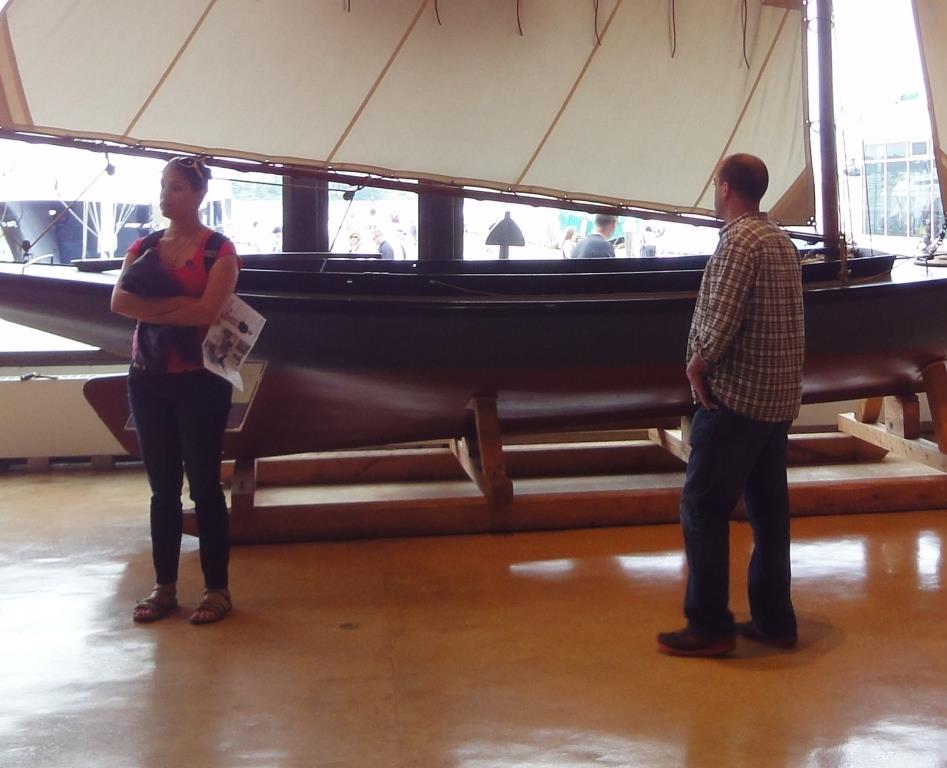
Zeke and Christina in front of a joyful boat
Zeke and Christina in front of a joyful boat

Leave a comment

Filed under Nova Scotia, July 2013

Tides

Anyone who has ever lived on the sea or even read books about the sea, you know tides are important. In the Bay of Fundy, the tides rise and fall more than anyplace on earth. As I noted in the post on tidal energy, they estimate that the flow in the Bay is equal to 4 times that of all the rivers in the world. The water level changes 25 and more in places. The photos below are taken in Sandy Cove are taken about 4 hours apart.

9:24 AM

9:24 AM

1:16 PM

1:16 PM

1:15 PM

1:15 PM

9:21 AM

9:21 AM

Leave a comment

Filed under Nova Scotia, July 2013

Digby Neck

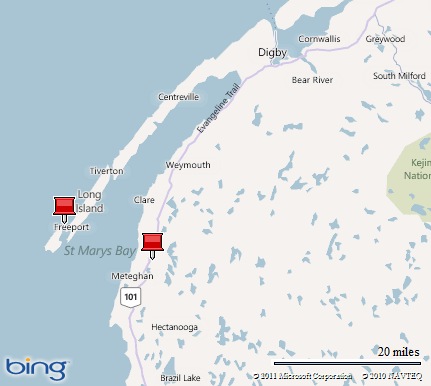
Digby near the mouth of the Annapolis River which runs SW, broadens out to form a bulbous pond, then exits to the sea through a small gap to the NW. To the SW of Digby, St. Mary’s Bay is bounded on the NW by Digby Neck, Long Island and Brier Island. digby neck 2Ferries connect Long Island to the mainland and Brier Island to Long Island. Along the neck are little harbors, rocky headlands and sand beaches. And one of the best restaurants I went to on the trip.

The lovely people at the hostel showed me several great places to go and I wish I’d had another day to do more there. The first place I stopped was Sandy Cove. The village of Sandy Cove has a lovely little harbor and a small fishing fleet.

Village of Sandy Cove

Village of Sandy Cove

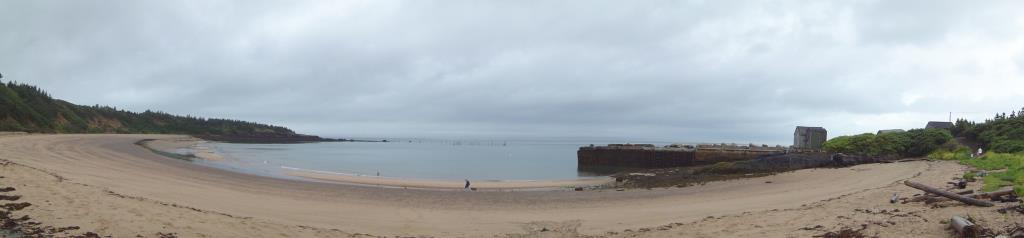
On the north side of the neck, there is a long, broad sandy beach with a great story on the sign about the Mysterious Man.

small DSC01579

There was a plaque telling the story, but when I went looking for the story on the web, I found there are many and conflicting stories of the Mysterious Man. The assertions that seem to occur in many of the stories are that there was  foreign ship that came up the bay but was gone in the morning and that a young man with freshly amputated legs was found on the shore of Sandy Cove. He was taken care of by several different families and there are records that show that the families were paid by the local poor master to do so. The man did not speak English and refused to talk much at all. Despite numerous attempts to determine who he was, none seemed successful.There is speculation that he was Italian from Trieste as he became agitated at the hearing of that place.

One titillating event was recalled on the plaque (but not elsewhere) was that 2 women came to visit him and spoke to him in his room with the door closed. Listeners report hearing him talking animatedly and sometime heatedly. The women emerged saying nothing and left. For more speculation on this mystery, check out http://www.canadianmysteries.ca/sites/jerome/suites/souvenir/3532en.html http://www.canadianmysteries.ca/sites/jerome/suites/souvenir/3614en.html http://www.canadianmysteries.ca/sites/jerome/decouverte/naufrage/indexen.html

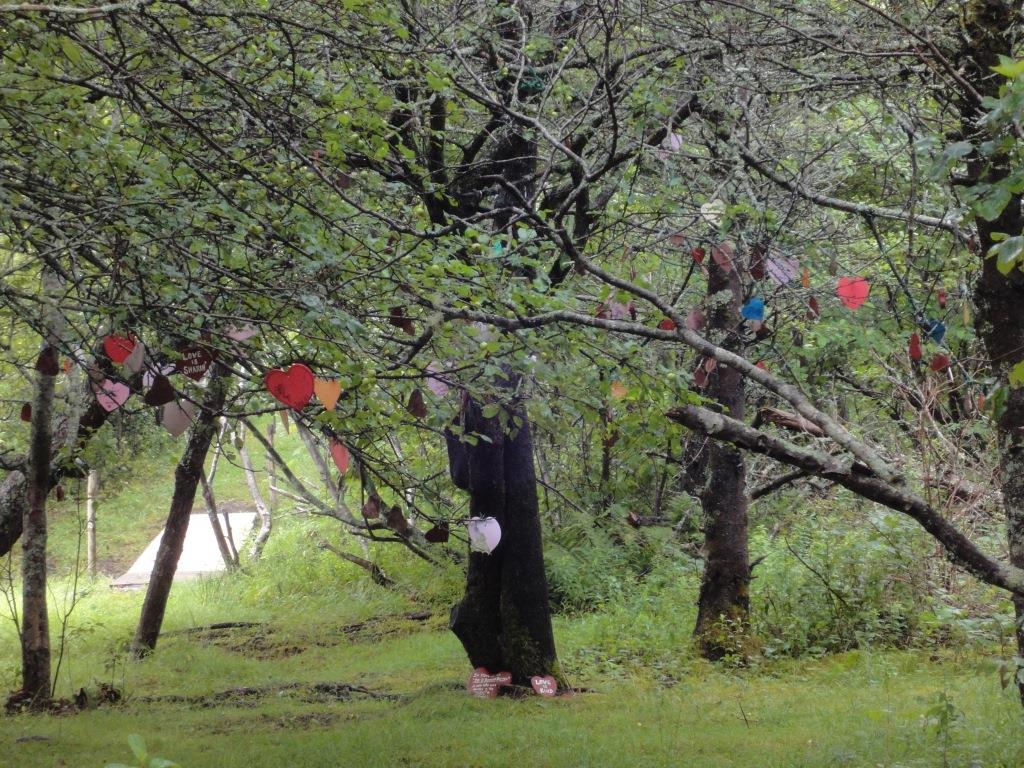
The next stop was a lovely spot that a local family has opened to the public. It’s a lovely path that they mow and there’s a tree that they invite people to a heart in memory of a loved one. There are benches along the way and upon arrival, there is a lovely view. There are two little buildings that look like vacation cabins, benches and a hammock. It’s a little kitschy, but the owners’ sentiment is truly genuine.

Ottoview

Ottoview

Memory tree at Ottoview

Memory tree at Ottoview

The path to Ottoview

The path to Ottoview

The channels between the island and the neck have strong currents when the tide is moving and sometimes the ferries have to point 30 degrees to the line of travel to compensate for the current. Taking the ferry to Long Island, I took the little track to Boar’s Head, a lighthouse on the point. As you can see from the pictures, it was a beautiful place.

Boar's Head

Boar’s Head

I continued on down the island to the ferry to Brier Island, but instead of crossing, I stopped at Lavena’s Café. This little restaurant was started by a couple with generations in fishing. It was perhaps the best seafood I had the whole trip! Over an hour and a $5 ferry ride from Digby, there is a sign suggesting reservations for dinner.

And with a delightfully full belly, I headed towards Halifax via Grand Pré (see “Dark and Dreary Be” for more on that historic place).

Leave a comment

Filed under Nova Scotia, July 2013

Tidal Barrage!

No, the tides aren’t firing on me. A tidal barrage is a unique way to harness the power of the tides to produce electricity trapping water after a high tide and running it through a turbine as the tide changes. In 1984, Nova Scotia Power built such a system in Annapolis Royal. And unlike the Open Hydro experiment in 2009 that was destroyed after only a few cycles, this one is still running.

The history of this particular project is an interesting one. Like all large projects, there is always some environmental impact, but in this case, the impact mitigates the impacts of a previous project.

In the 1960s, the bridge across the Annapolis River at Annapolis Royal was in need of replacement. Nova Scotia at the time was finding that it was cheaper to build a causeway than a bridge, so that’s what they did here. And it had to be a very broad causeway because it had to stem the tides of the Bay of Fundy that at the time were causing the river level to change 25’ each tidal cycle (which is about 6. 25 hours). Because the river still flows, the causeway (which is essentially a dam) needed a control gate to let the water out. The Agriculture Ministry controlled the gate and essentially tried to keep the level stable.

You can imagine that there was a HUGE impact on the ecosystem of the former estuary, now river. It became a freshwater body instead of an estuary and of course the fish community and grass community that was based on salt water all died and were replaced with freshwater fish and grasses.

After the “energy crisis” of the 1970’s, Nova Scotia decided to experiment with tidal power. They took a current straight flow turbine design that was 2 meters in diameter and expanded it to 7 meters. They then had to design it for a saline and silty environment which means making it out of stainless steel and sealing the bearings so the silt wouldn’t get in and wear them out in a week. They also had to design it to take varying flow rates. Instead of trying to moderate the high flows which would have reduced the power output, they designed the generator into the turbine and are able to keep the speed of the turbine steady at 50 RPM by changing the power output. When there is high flow, the turbine is required to put out more power and as the flow drops, the turbine puts out less power.

A model of the turbine

A model of the turbine

The power company now allows about 800,000 cubic meters of water to flow up the river as the tide comes in. When high tide is reached, the control gates are closed. As the tide goes out and the water level on the seaward side of the causeway drops, the wicket gates at the turbine open and water starts flowing through the turbine. As the water on the seaward side drops the “head” (the difference between the water levels) increases and the power output increases. The turbine continues to run until the difference is less than 6’ (the difference required to effectively operate the turbine). The level change is also limited to 2’ (a far cry from the 25’ of old!) as people are now relying on its stability.

Operating Schedule for July 25, 2013

Operating Schedule for July 25, 2013

All in all, it’s a beautifully simple and effective form of production. Add to that the fact that it has been in operation since 1984 (with regular maintenance, of course) and you have a real success story.

With new run of the river turbines, the potential to produce real power seems within reach. As we saw from the 2009 experiment, it’s not always that simple, but considering that the tides in the Bay of Fundy represent the movement of 160 billion tons of water each tide cycle—4 times the estimated flow of all the rivers in the world—it seems worth pursuing.

For a little (very little, I’m afraid) more on this project, go to: http://www.nspower.ca/en/home/aboutnspower/makingelectricity/renewable/annapolis.aspx. You can also go to http://fundyforce.ca/ for more on the larger project near Parrsboro.

Leave a comment

Filed under Nova Scotia, July 2013

Springhill Mining Disaster

I grew up listening to Peter, Paul and Mary’s rendition of “Springhill Mining Disaster” but I always thought it was something that happened in the past, not in my lifetime (demonstrates how carefully I listened to the lyrics!). When I found out there was yet another mining museum in Nova Scotia focused on the Springhill mine and the “bump” that was the disaster, I had to go. One of the most riveting things in the museum was short CBC documentary on the anniversary of the disaster. There were interviews with two of the 7 survivors who spent 7 days trapped in the dark without food and with very little water.

The disaster was a “bump” which is a common occurrence in mines. When material is removed from the mine, it creates stresses in the geology. Periodically there is movement that relieves those stresses. In the case of the 1958 Springhill bump, the floor and ceiling came together, crushing many of the miners instantly.

The other highlight was the tour of the mine. It was a different company and shaft as the original mine was closed after the disaster. The new mine was opened in 1963 and closed again in 1973 when coal prices dropped and the mine, which had small seams which were difficult and expensive to mine, was no longer economically viable.

In the mines, in the mines, where the sun never shines...

In the mines, in the mines, where the sun never shines…

The shaft that we go down is very different from the shaft the miners went down. The ceiling has been raised to between 5.5 and 6.5 feet, the floor has been covered with asphalt shingles so feet don’t slip and the lower part of the mine is filled with water which keeps the air more humid and much cooler. I can’t imagine what life would have been like. The only power tools they had was a coal saw that they used to undercut with and dynamite to blast the coal away from the undercut. And they never were able to stand up straight.

Leave a comment

Filed under Nova Scotia, July 2013

Parrsboro

Had I not been planning on meeting Jen Clarke for an evening of theater in Parrsboro, I doubt very much it would have been on my itinerary. And that would have been a shame! This time town has a huge variety of things. It started with a wonderful little hostel, the Mad Hatter. While at first a little uncomfortable because I entered through the owners’ kitchen, I came quickly to love the place and the wonderful proprietress. The bed was comfortable and I got a full nights sleep for the first time in some days.

Then came the food. A new restaurant had been opened that week by the owner of the local high end B&B. Jen’s lunch was very good so we tried dinner. Blackened Halibut. With lobster.Wow!

After dinner was a wonderful production of the play, “Diligent River Daughter,” based on a novel set in Parrsboro. The production was terrific and the space quite unique. The stage was triangular and at ground level with seating angling up and away. I’m not a theater critic, but I found the shape allowed the director to easily change the impact of a scene by moving it on the stage. By having the stage on the ground, there wasn’t a physical delineation between the actors and the audience. This was a new stage (about 2006) and had to be unique to replace the old one which was literally the working deck of a boat that was dragged up to the site! The boat is still there and has been incorporated into the covered space outside the theater.
???????????????????????????????

The Ship’s Company Theatre

The next day was a busy one. I drove to the visitors’ center for Force, an organization helping develop tidal power. They provide the space and infrastructure so developers can focus on turbine design. The first experiment in 2009, a run of the river turbine, only lasted a few tide cycles before being destroyed by the currents! There was not much to see at the center, as the 4 new developers are still in the planning stage, but it will be interesting to watch over the next years. For more information, go to http://fundyforce.ca/.

There was also a Geology Museum and I did wander through. I’m afraid by the time I did, my brain was pretty full! There was a wonderful animation of the movement of land masses on earth over its lifetime. Very interesting! Several times Parrsboro was very close to Morocco! Who knew?

Leave a comment

Filed under Nova Scotia, July 2013

Alexander Graham Bell

At one time I may have been aware of Bell’s connection to Cape Breton (probably when I was last there in 1973), but I had forgotten it. After the telephone had been commercialized, Bell spent summers on Bras d’Or, a large lake (not just a

The Silver Dart

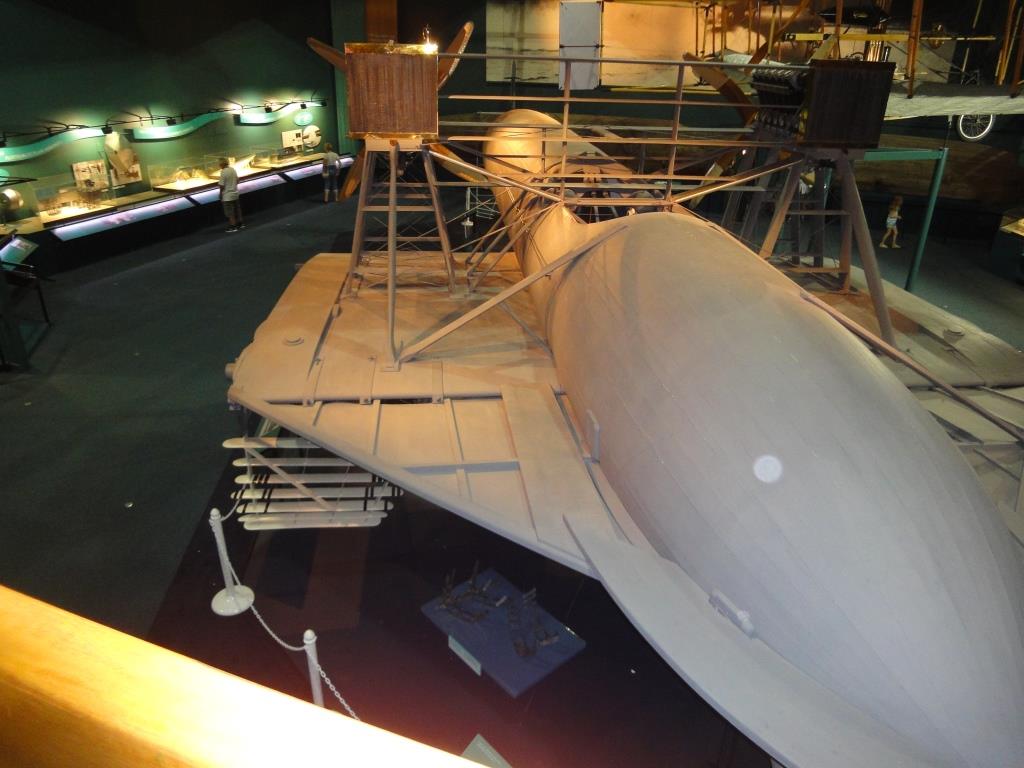
A reproduction of the Silver Dart

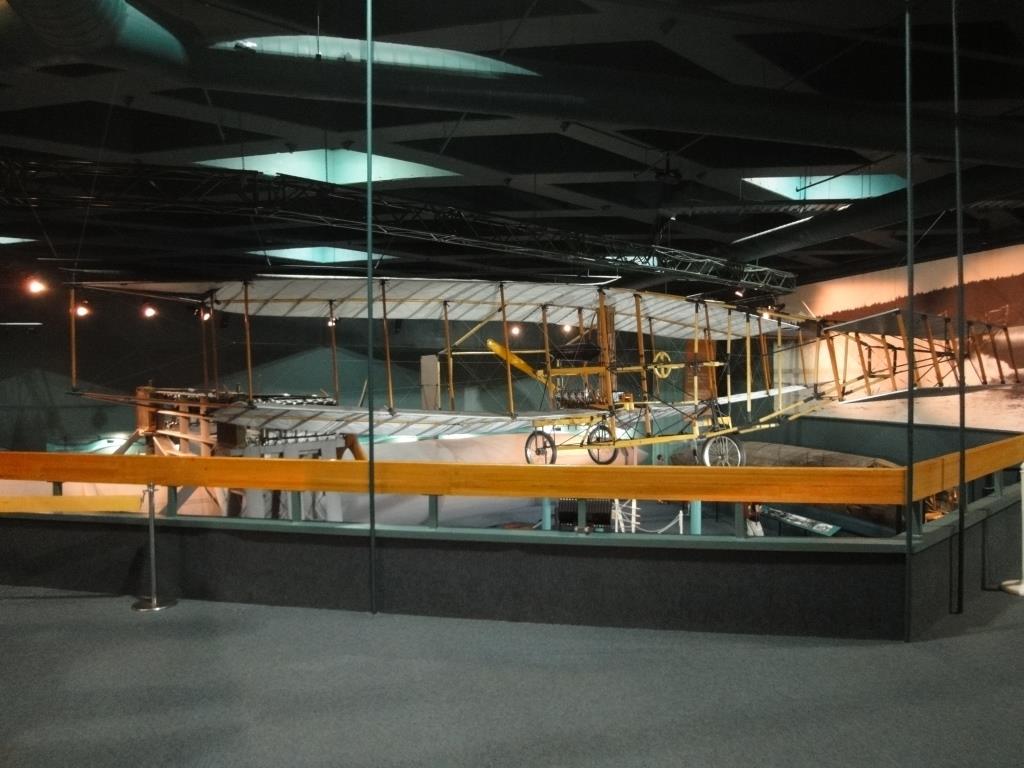
tasty beer!). There is a museum dedicated to his life and work and surprisingly little of it has to do with the telephone! The things that caught my eye were his interest in flight–both airplanes and kites–and in hydrofoil boats.  He developed the tetrahedral kite and even designed an airplane based on it…but it was not a success. He also was responsible for the first manned flight in Canada with the Silver Dart.

The hydrofoil he developed for the navy was successful, but came at the end of the war and was never developed. It’s main advantages were significantly less drag (so higher speeds for less power) and smoother ride as the weight rode in the water, not on top of it.

A reproduction of he HD-4

A reproduction of he HD-4

The HD-4 being tested

The HD-4 being tested


Leave a comment

Filed under Nova Scotia, July 2013

A Leisurely Drive

I started today with a half hour hike to Mackenzie Falls nearby. It wasn’t much exercise—short and flat—but it was so reminiscent of the Adirondacks, I was floored. There were even maples. Not long after leaving the parking lot, a cow moose and her calf crossed the road in front of me! No photo, but it was a beautiful sight.

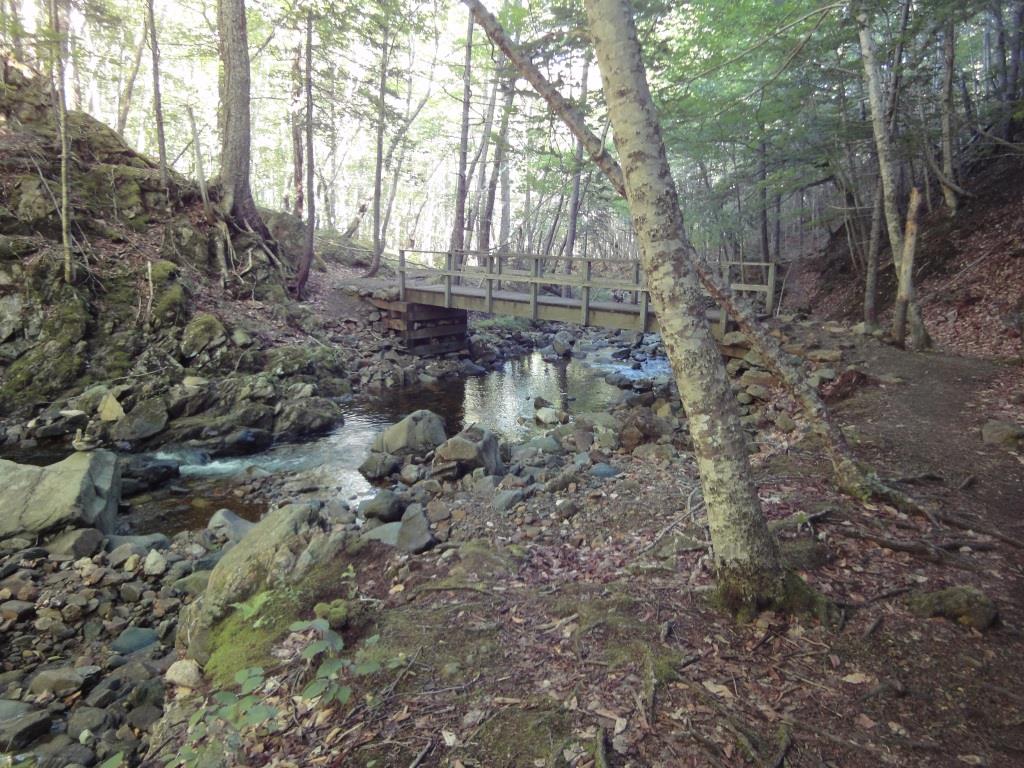
Trail to MacKenzie Falls

Trail to MacKenzie Falls

MacKenzie Falls

MacKenzie Falls

???????????????????????????????

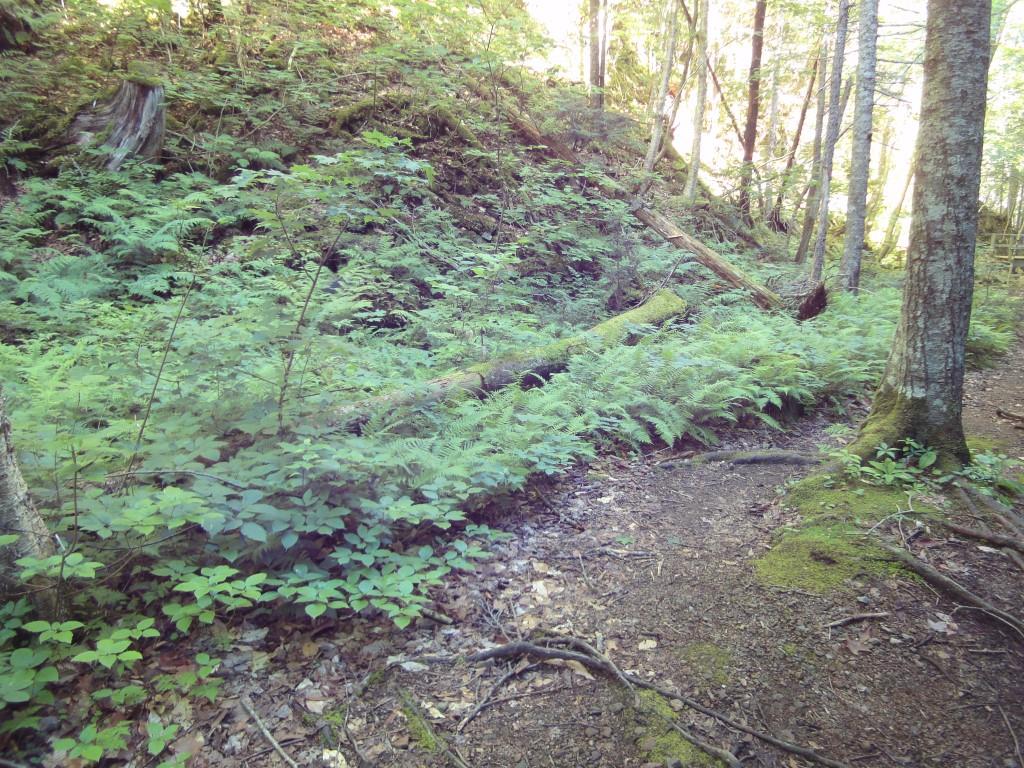
More on the MacKenzie Falls trail

More on the MacKenzie Falls trail

Bridge on the MacKenzie Falls trail

Bridge on the MacKenzie Falls trail

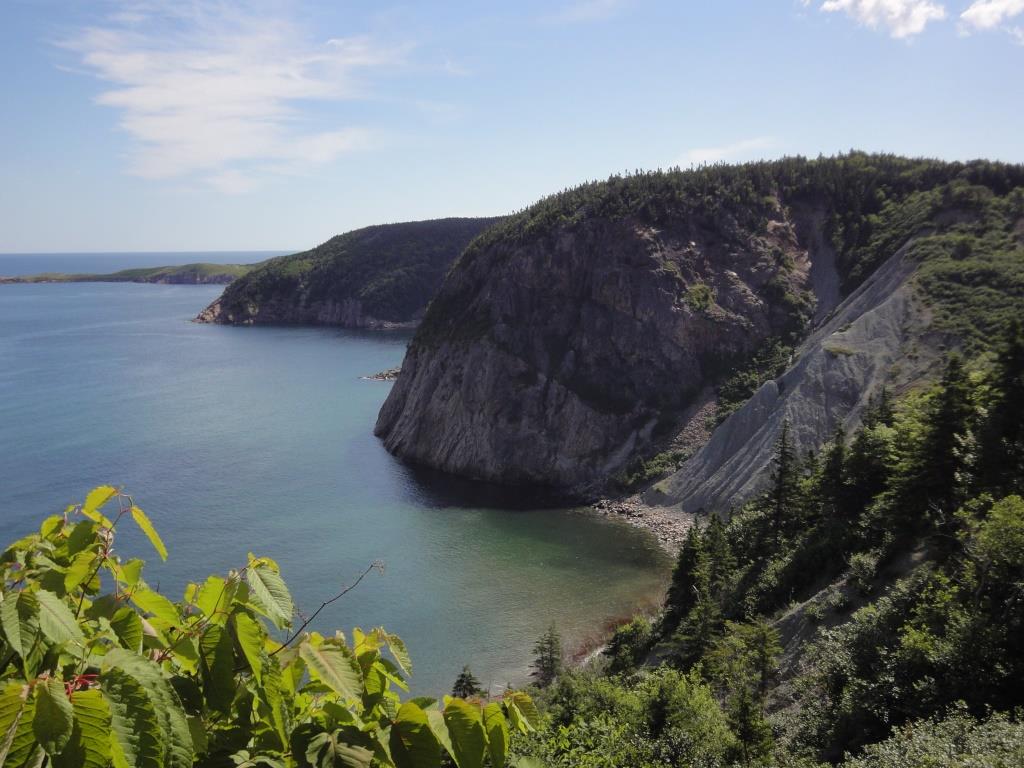
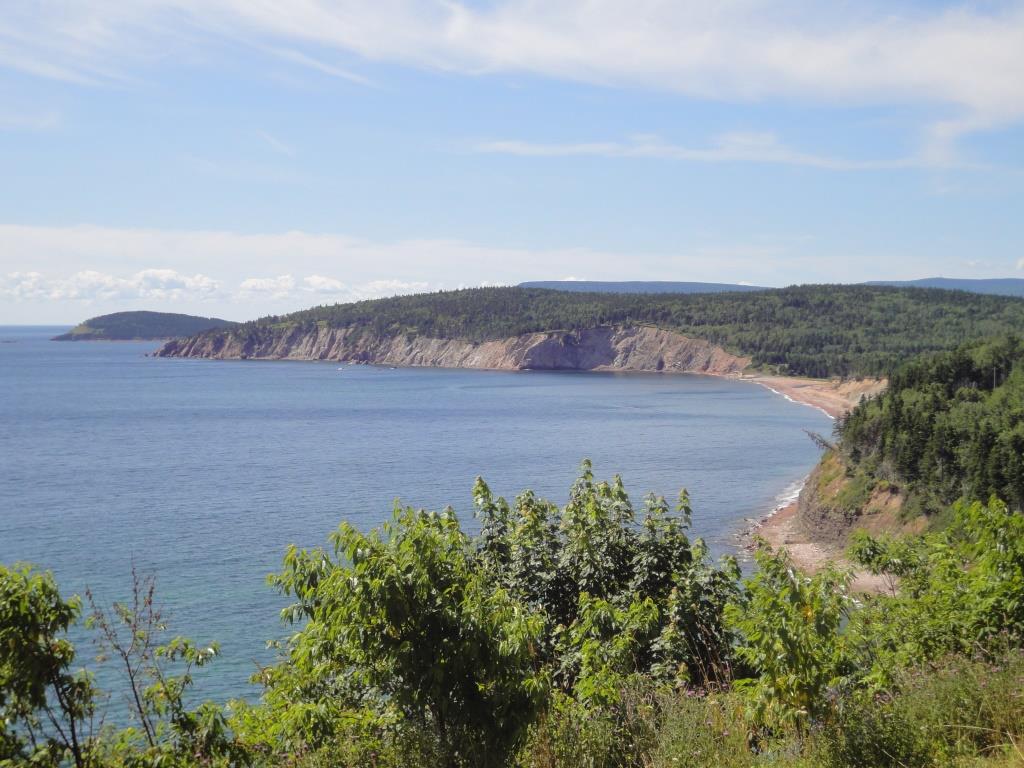
Further on down the road there were more beautiful views of coastline…

Cabot Trail coastline

Cabot Trail coastline

More Cabot Trail coastline.

More Cabot Trail coastline.

Beaches…

Beach on Cabot Trail

Beach on Cabot Trail

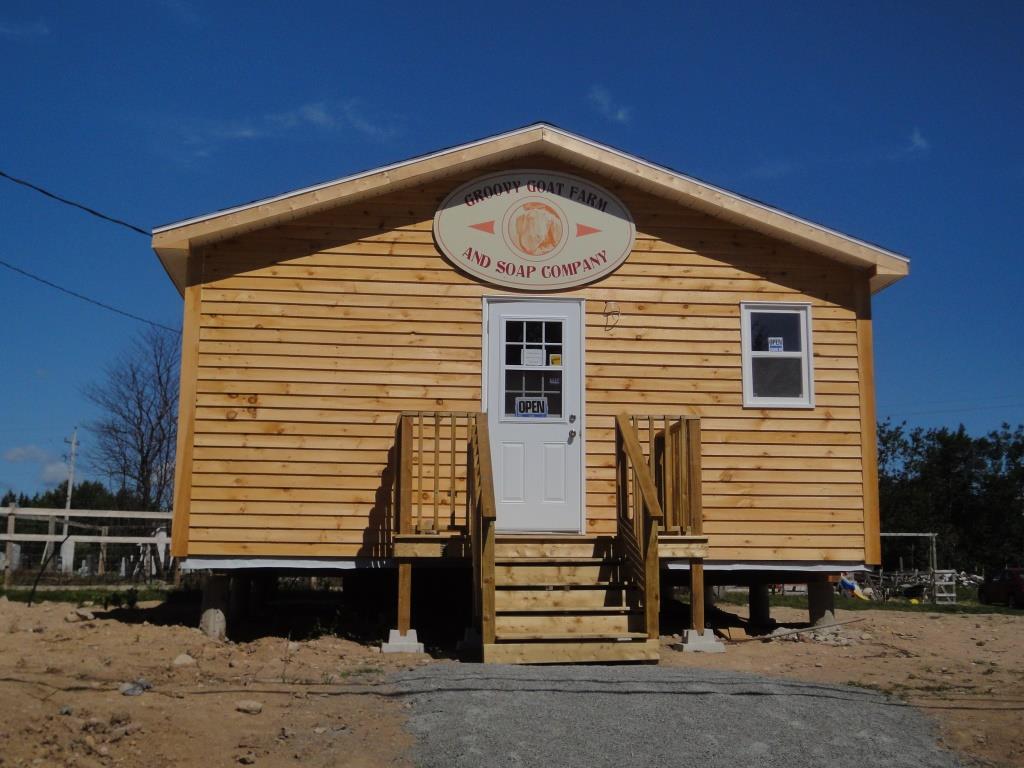
And the Groovy Goat Farm and Soap Factory!

The Groovy Goat Farm and Soap Factory

The Groovy Goat Farm and Soap Factory

Leave a comment

Filed under Nova Scotia, July 2013

Skyline Trail

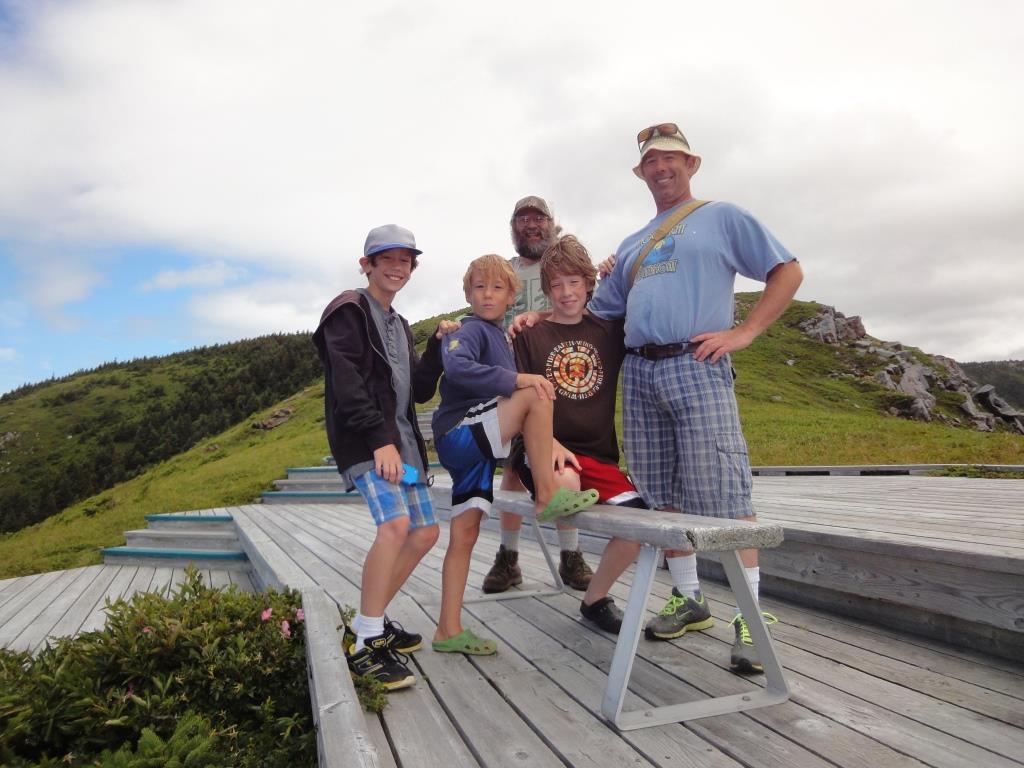
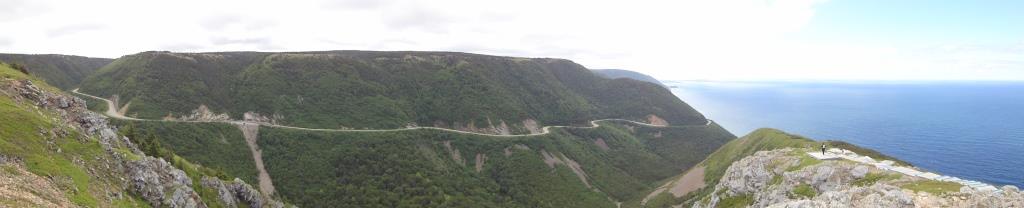
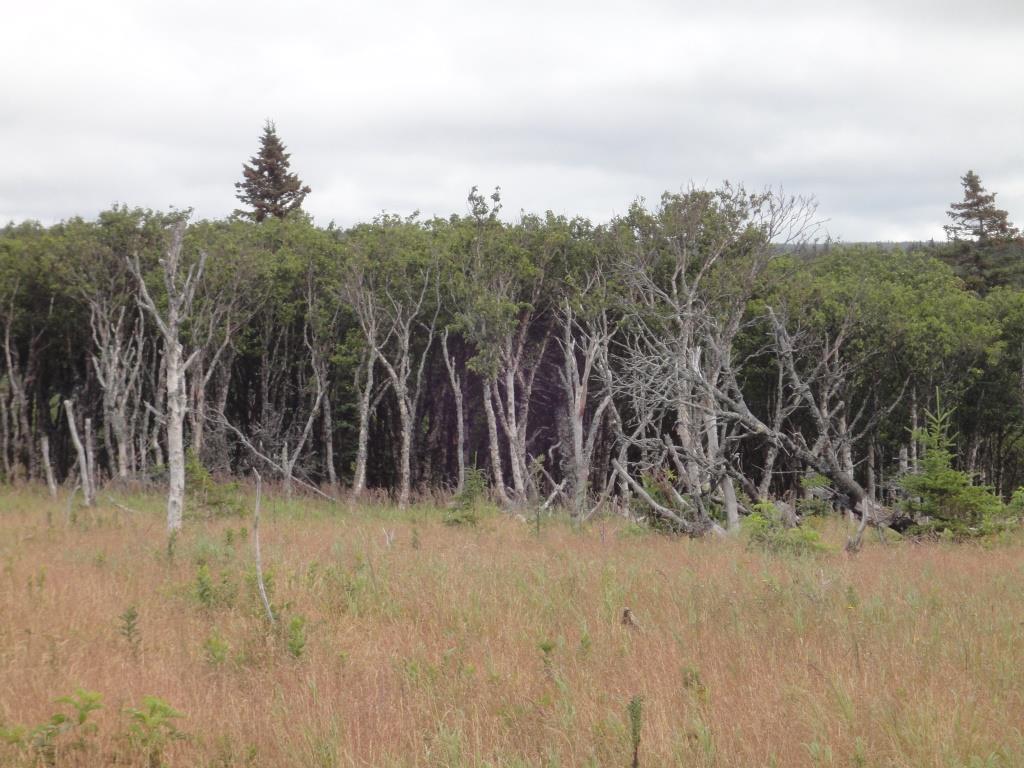
Early to bed and early to rise…and work on work plan and budget. I got quite a bit accomplished and decided to join John and his boys on the Skyline Trail. The trail is a lovely 10 km loop that goes through some very interesting parts of the Cape Breton Highlands. Spruce bud worm wiped out most of the spruce/balsam forest in the 70’s and it is taking some time to come back. What is left is a lot of open space, quite a bit of pioneer paper birch and young spruce (black and red), and balsam fir still struggling to come back. This is great habitat for moose and there is some thought that their increased numbers are inhibiting the return of the climax spruce and fir.

The Quinns: Eli, Leo, and John...and I'm in the back.

The Quinns: Eli, Leo, and John…and I’m in the back.

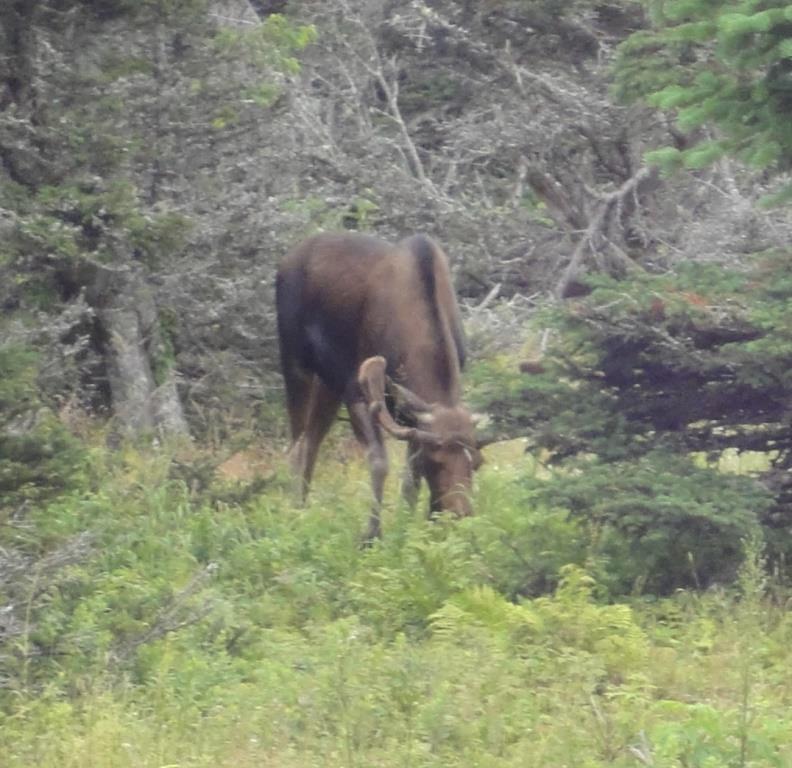
The majority of the first leg of the hike is in prime moose habitat and we were rewarded with the sight of a bull moose munching near the trail. He looked meaningfully at us then continued to graze.  We gawked for a few minutes then continued on. As we neared the halfway point, we approached the sea and the headland opened up.

Moose 1 Moose 2 Moose 3

A view of the headlands from the road below.

A view of the headlands from the road below.

The last leg back was uneventful (“How much farther?”), but it was a real joy hiking with these guys! Three brothers, 8 – 12, who made their own joy and shared it with the world!

Paper birch pioneering the open land after the death of the spruce and fir from spruce bud worm in the 1970's

Paper birch pioneering the open land after the death of the spruce and fir from spruce bud worm in the 1970’s

After lunch in Chetticamp at an Acadian restaurant (meat pie, fish cakes…kraft dinner for two of the boys) we took a 15 minute hike around a bog. I love bogs, they have such an interesting ecosystem, and this one was spectacular. It’s actually a “sloped fen” with numerous pools that have sphagnum moss covering varying degrees–most were completely covered, but a few were open.

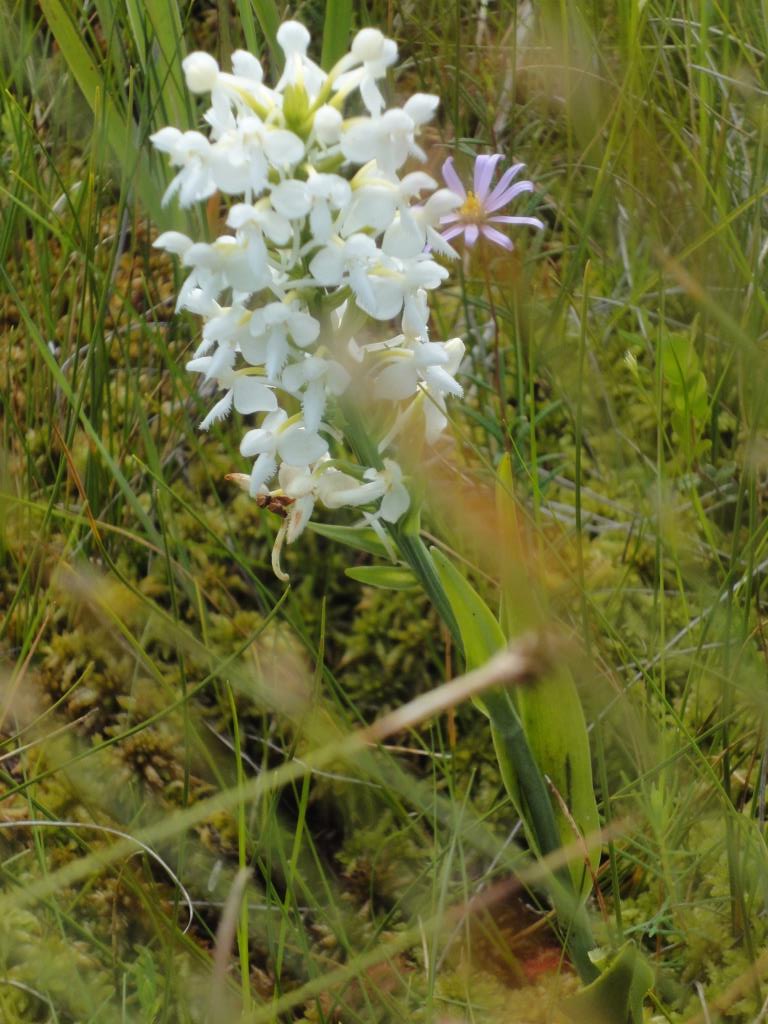
I didn’t take as many photos as I would like, I was distracted by the place. Like most bogs, it has carnivorous plants: Sundew, Bladderwort and the most numerous her, Pitcher plant. It also had a few beautiful flowers including several orchids.

Another fascinating fact about bogs is their harsh nature. They are hot in the summer and cold in the winter (at least in the microclimate) and very nutrient poor. They are undrained and the sphagum moss makes it very acidic. In addition to cedar and balsam, they also had Eastern Larch (what we know commonly as Tamarack). Despite their small size, some of these trees can be very old because they grow so slowly in the nutrient poor environment.

Orchids

Orchids

For more photos, go to http://www.flickr.com/photos/49747155@N00/sets/72157634758182836/

Leave a comment

Filed under Nova Scotia, July 2013

Hot, slow day on the Cabot Trail

John Quinn, who was traveling with his 3 boys, Otis, Eli and Leo, fed me coffee and I fled. I drove up the west coast to Inverness and stopped intending to go to the beach. Instead, I opened the windows and napped for an hour or so until the heat became unbearable.

Inverness

Inverness

Instead of going to the beach alone, I backtracked to the Inverness Miners’ Museum. It took some doing as there was only a small sign on the building identifying it as the museum and that was on the far side. All the other signs were part of the museum! I was the only one to go in, but the docent was a lovely young girl who was a history major in college in Antigonish. She was quite knowledgeable and I spent about an hour. There were a few quirky facts that stuck with me. First, the people knew there was coal there because it kept washing up on the beach, but they couldn’t get any investors to come see the place. Finally they painted the cliffs with black paint and took photos of it and that caught some investors’ attention.

Another fact that gave one pause was that many times the miners spent their whole day on their backs in tunnels as low as 30” or so. When I asked why, she said that sometimes the coal seams were only that tall.

When I asked her what she found most interesting she answered immediately, “The children.” Kids as young as 8 or 10 worked in the mine, but what was interesting to her was that they were given a job based on their father’s position in the mine. They didn’t work in the seams until they were 14 but they often started by taking care of the “pit ponies.” The ponies were used to haul the coal out of the mine and the kids were responsible for never letting them see the outside. Being kept underground, they developed sensitive eyes that could see in the very low light of the mine, but they would be blinded if they saw the light of day.

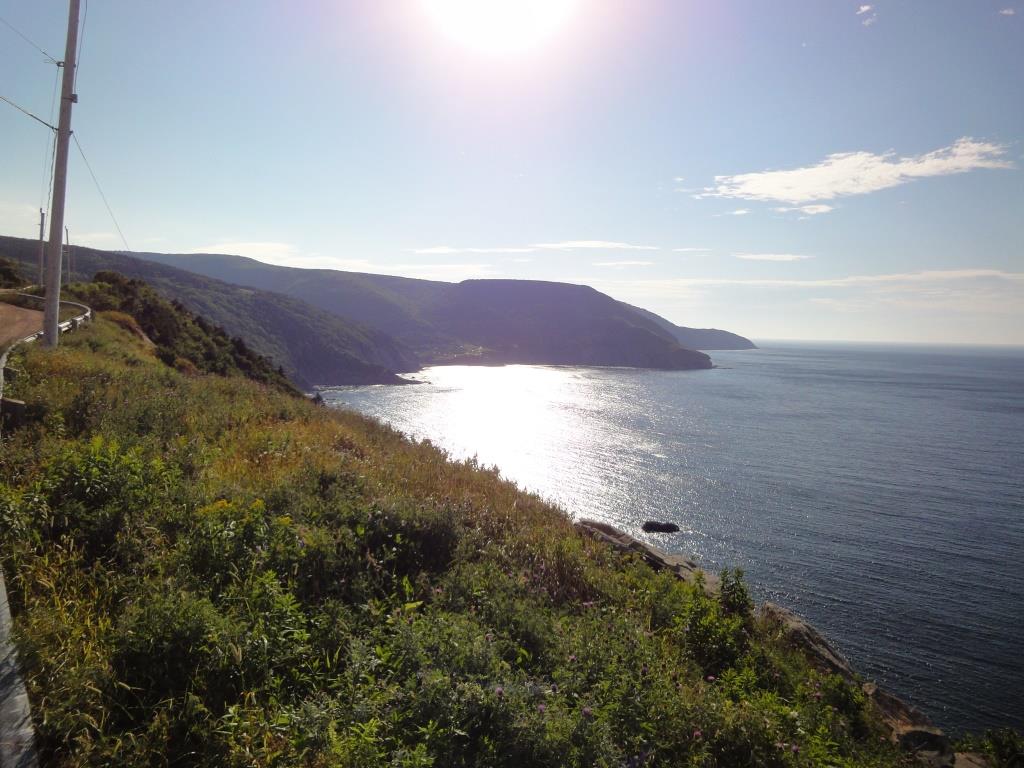
The rest of the day was a leisurely drive up the coast—punctuated by stops to take in the beautiful views of the coast, read a little, and take frequent naps. I drove almost to Meat Cove at the tip of the island, but stopped at a point where I could see the idyllic little village, but figured there were enough tourists gawking at them at close range, and returned to Pleasant Bay Hostel for the night.

The western highlands coastline.

The western highlands coastline.

Leave a comment

Filed under Nova Scotia, July 2013